
Laser Applications for Medical Industry
The medical device industry demands extreme precision, biocompatibility and traceability in
the manufacturing of critical components. Laser-based processes have become indispensable
due to their ability to deliver non-contact, high-precision material processing with minimal
thermal impact. From cardiovascular stents to surgical instruments and orthopedic implants,
lasers enable reliable, repeatable and scalable production while maintaining regulatory
compliance and patient safety.
Stent Laser Cutting
Application Demand
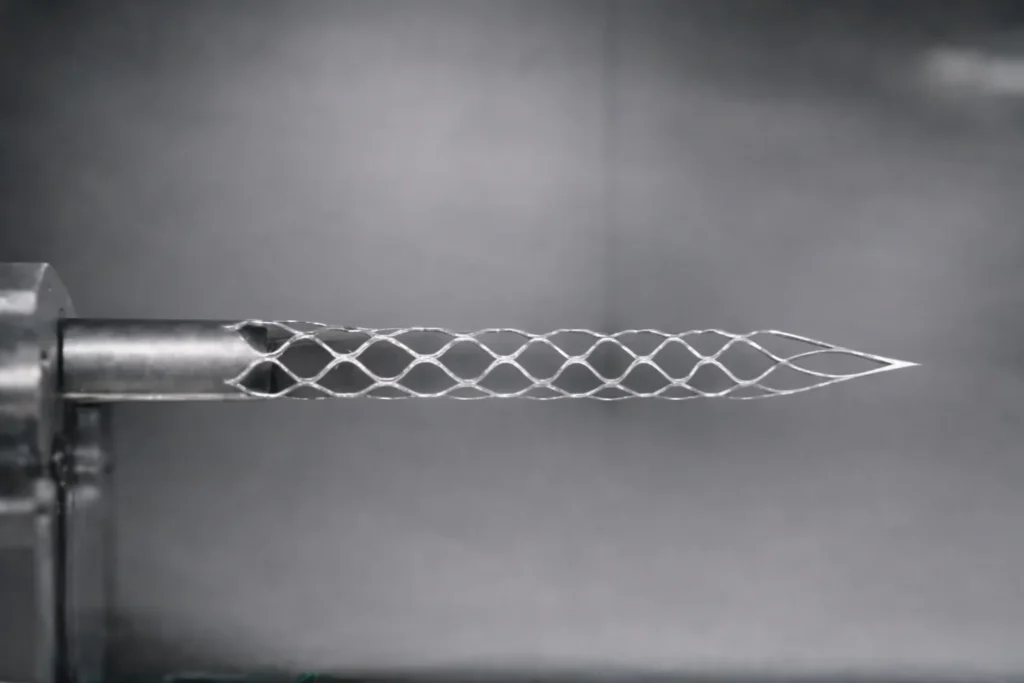
Cardiovascular stents, commonly made from Nitinol shape memory alloy (NiTi) and Stainless steel (316L), cobalt-chromium or stainless steel,
require ultra-precise fabrication with complex geometries. Tight dimensional tolerances,
smooth edges and consistent structural integrity are essential to ensure proper expansion,
fatigue resistance and biocompatibility, minimizing the risk of tissue damage and ensuring
patient safety.
What Laser Enables
Laser cutting delivers burr-free stent structures with micron-level accuracy and minimal heataffected zones. The non-contact process ensures smooth edges, repeatable dimensions and
high-yield production. Laser processing preserves material properties, maintains mechanical
integrity and supports regulatory compliance for cardiovascular implants.
Plastic and Metal Medical Equipment Marking
Application Demand
Surgical instruments, implants and medical devices require permanent, legible and
sterilization-resistant markings for traceability, regulatory compliance and batch
identification. These markings must withstand sterilization, chemicals, rusting, abrasion and
long-term use without compromising device functionality.
What Laser Enables
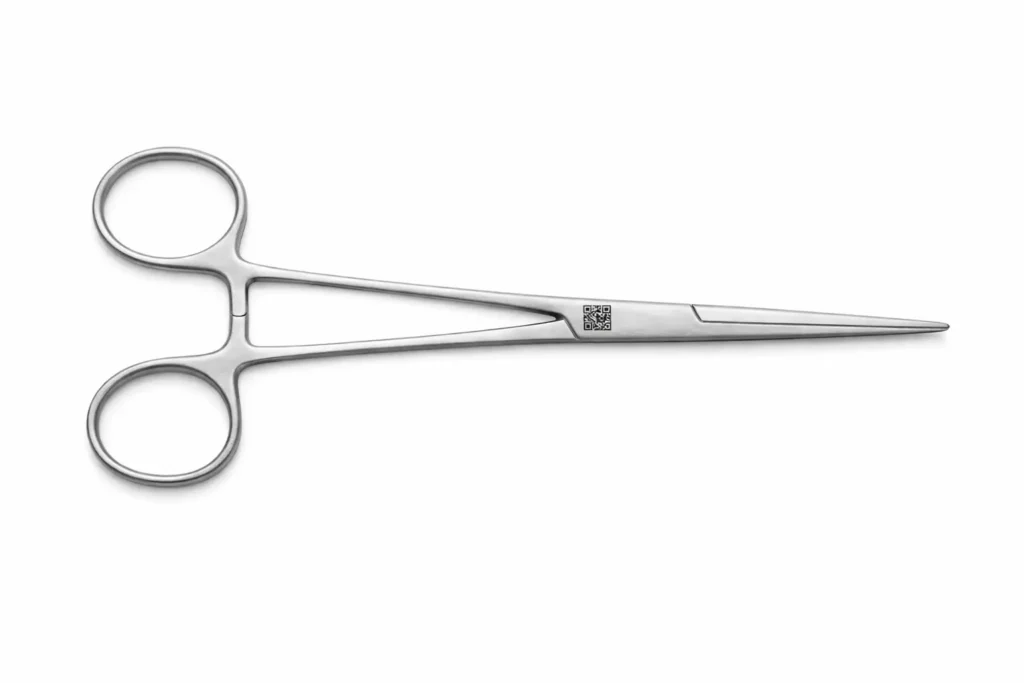
Laser marking provides fast, high-contrast and durable laser marks on metal and plastic
medical devices without any contact or consumables. The process ensures precise, repeatable
and sterile markings that withstand cleaning, sterilization and mechanical wear supporting
full lifecycle traceability and quality assurance.
Laser Polishing
Application Demand
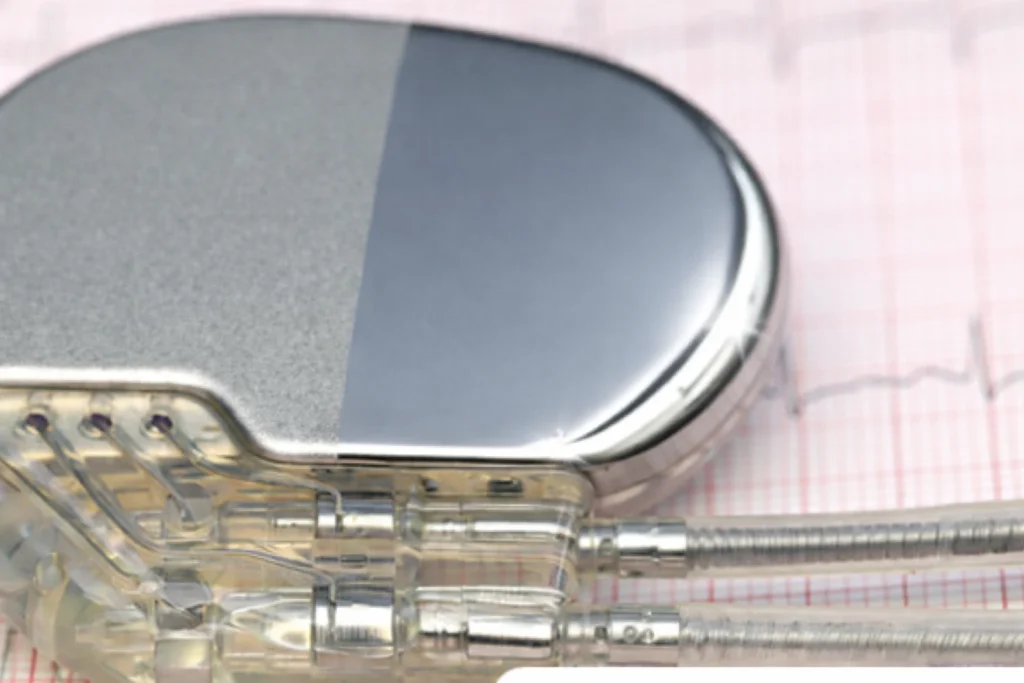
Medical implants, surgical instruments and high-precision medical components demand exceptionally smooth, defect-free surfaces to ensure biocompatibility, patient safety and long-term clinical performance. Even minor surface irregularities, micro-cracks or residual roughness can promote bacterial adhesion, accelerate corrosion, increase wear and reduce fatigue life. As a result, polishing processes must comply with stringent medical and regulatory standards while preserving tight dimensional tolerances, material properties and functional integrity of the device.
What Laser Enables
Laser polishing enables controlled thin surface layer melting and reflow to significantly reduce surface roughness on metal medical components without mechanical contact or abrasives. The process produces smooth, uniform and contamination-free surfaces, improving cleanability, corrosion resistance and fatigue strength. Laser polishing delivers highly repeatable results, supports complex geometries and is ideal for medical implants and devices requiring superior surface quality, enhanced hygiene and long-term reliability.
Why Choose Light Mechanics
Light Mechanics delivers application-driven laser solutions for the medical industry that
combine high precision, repeatability and automation compatibility. Our systems are
optimized for high-volume production while maintaining material integrity, regulatory
compliance and traceability. With expertise across stents, implants surgical tools Light
Mechanics enables medical manufacturers to meet stringent quality and performance
standards while improving productivity and process reliability.