
Laser Applications in Batteries and Energy Storage
The global shift toward electrification and renewable energy is driving rapid growth for
lithium-ion batteries across electric vehicles (EVs), energy storage systems (ESS) and clean
energy applications. To meet increasing volume, safety and performance requirements,
battery manufacturers are adopting laser technology to deliver precision, repeatability,
scalability and cost efficiency.
Laser technology is widely used for cleaning, texturing, welding and marking a broad range
of battery components, including:
- Cylindrical, prismatic and pouch cells
- Battery packs and modules
- Cell Tabs and busbars
- Integrated Busbars (IBB)/Cells Contact Systems (CCS),
- Housings, casings and lids
- Cans and caps
- Thermal cooling plates
- Other critical cell, module and pack-level components
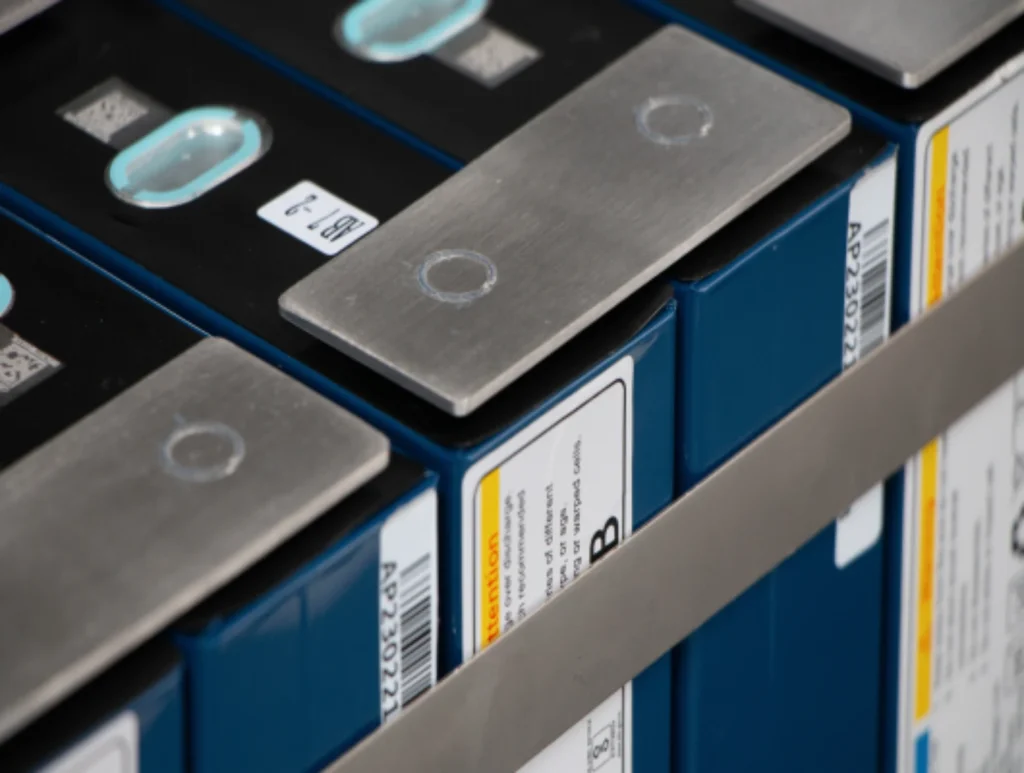
Laser Welding of Busbars to Cells
Application Demand
Battery packs for EV’s and Energy storage applications require highly reliable electrical and
mechanical joints to ensure safety, energy efficiency and long service life. Welding processes
must accommodate similar and dissimilar materials such as aluminum, copper, nickel,
stainless steel and Hilumin while maintaining low electrical resistance and avoiding defects
that can lead to thermal runaway or premature failures.
What Laser Enables
Laser welding delivers precise, repeatable joints with controlled heat input, enabling reliable
joining of battery tabs, busbars and cell terminals. The process supports high-speed and
automated production while ensuring consistent electrical performance and long-term battery
reliability.
Laser Cleaning Before Welding, Wire Bonding and Sealing
Application Demand
Battery components such as busbars, cell terminals, tabs, housings and lids require clean,
oxide-free and contaminant-free surfaces before welding, sealing or bonding to ensure low
electrical resistance, strong mechanical joints and reliable hermeticity. Oils, oxides, coatings
and handling residues can lead to weld porosity, weak joints, increased contact resistance and
sealing failures, impacting battery safety and long-term performance.
What Laser Enables
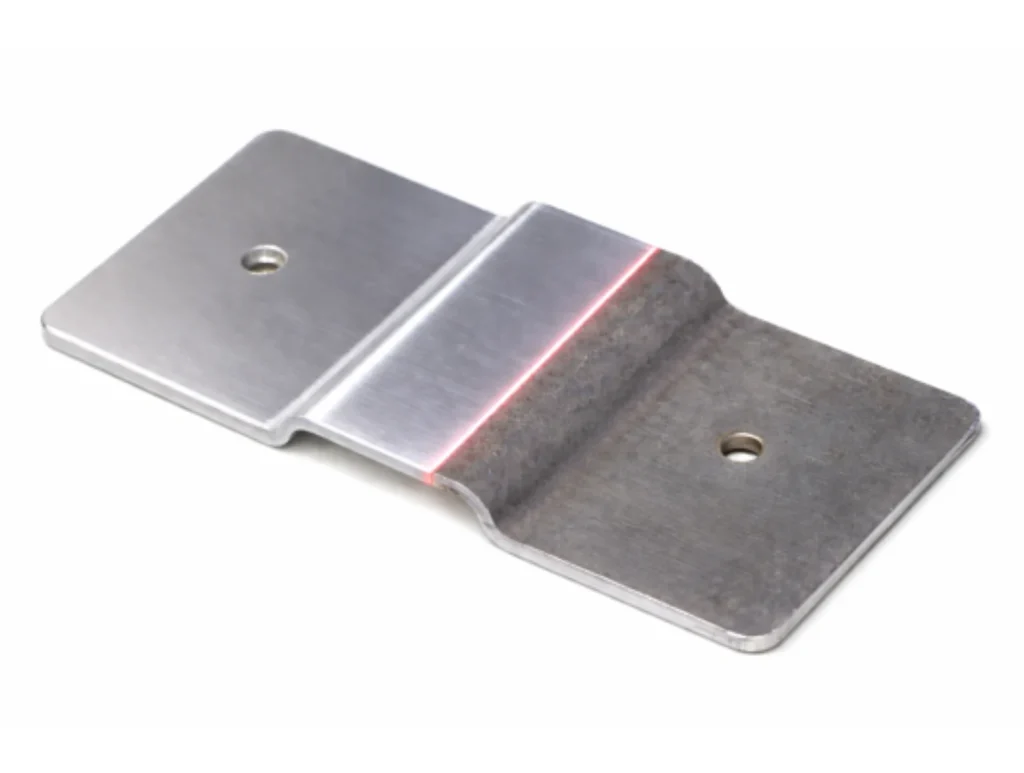
Laser cleaning enables selective, non-contact surface preparation of busbars and cell
terminals with precise energy control and minimal heat-affected zone. The process removes
oxides and contaminants without damaging sensitive battery materials, improving weld
penetration, reducing pore formation and ensuring consistent electrical and mechanical
performance. It eliminates chemicals and abrasives, supports inline automation and delivers
repeatable, high-quality welding and sealing results in high-volume battery production.
Laser Marking for Battery Traceability
Application Demand
Battery packs contain hundreds of cells, modules and components that require reliable
identification for full traceability, quality control and regulatory compliance. Markings must
withstand harsh conditions, including heat, chemicals and mechanical handling.
What Laser Enables
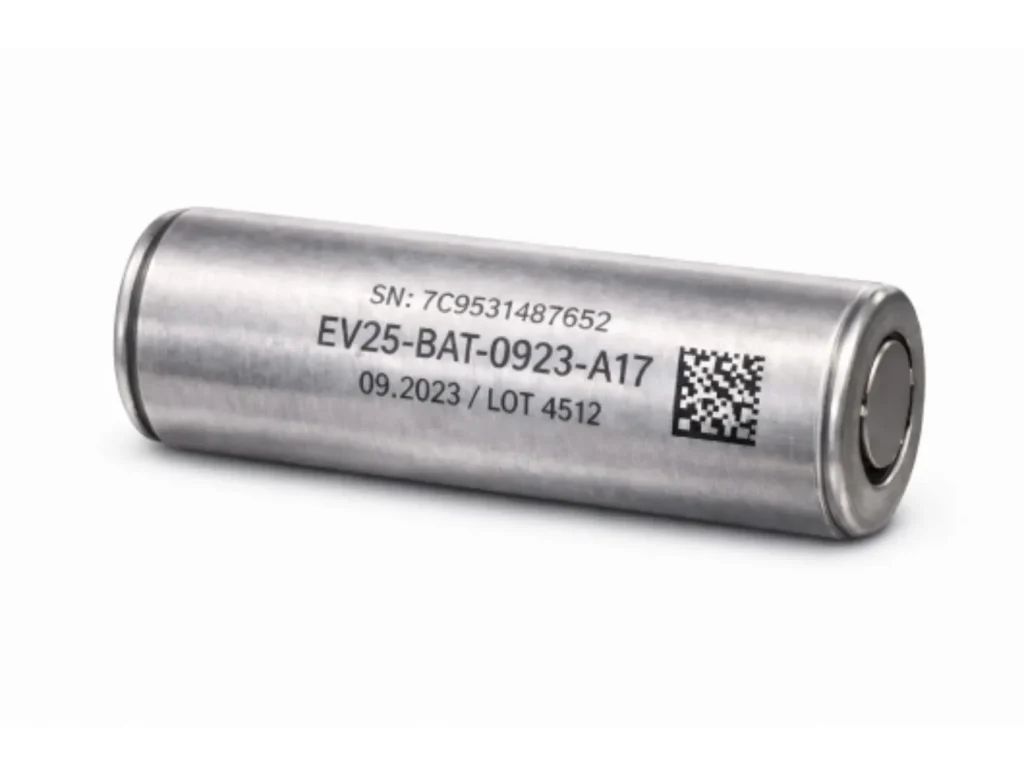
Laser marking creates permanent, high-contrast and precise identification on cells, modules
and other battery components and with fast, inline encoding of serial numbers, data matrix
codes and other unique identifiers. This ensures end-to-end traceability from cell production
to pack assembly and field deployment, while supporting quality control, full lifecycle
traceability and reduced recall risk.
Laser Texturing & Surface Preparation for Coating and Adhesion Preparation
Application Demand
Battery and EV components require precisely controlled surface conditions to achieve high
adhesive bond strength, durable coating adhesion and efficient thermal transfer. Consistent
and repeatable surface roughness is critical for bonding cells to cooling plates, trays, and
thermal interface materials, while ensuring long-term mechanical integrity, corrosion
protection and effective heat dissipation.
What Laser Enables
Laser texturing and cleaning provide non-contact, highly controlled surface activation and
micro-structuring without consumables. The process increases effective surface area,
improves adhesive wetting and coating adhesion and enhances thermal interface
performance. Laser processing delivers repeatable results suitable for inline, high-volume
manufacturing while eliminating chemicals and minimizing thermal impact on sensitive
battery materials.
Why Choose Light Mechanics
Light Mechanics delivers application-driven laser solutions tailored for the fast-growing
battery and energy storage industry. Our systems combine high precision, repeatability,
automation compatibility and scalability, enabling consistent, zero-defect production at high
volumes.
With expertise across busbar and cell welding, laser cleaning, marking, texturing and surface
preparation, we help manufacturers achieve superior electrical performance, mechanical
reliability, thermal management and full traceability.
Our laser systems support scalable and high-speed battery production with reduced defect
rates and enable manufacturers to meet stringent safety, quality and regulatory standards
while improving cost efficiency and throughput.