
Laser Applications in Automotive & Powertrains Manufacturing
The automotive industry is undergoing a fundamental transformation driven by
electrification, lightweighting, stricter efficiency standards and increasing production
automation. From internal combustion engines (ICE) to hybrid and electric powertrains,
manufacturers must adopt manufacturing processes that deliver precision, consistency,
scalability and full process reliability.
Laser-based manufacturing has become a core production technology across automotive
body, powertrain, electric vehicle (EV) and battery manufacturing. Its ability to deliver
controlled energy, non-contact processing and digital repeatability makes it uniquely suited
for modern automotive environments where quality, throughput and traceability are critical.
Light Mechanics supports these requirements with application-driven laser solutions designed
to perform reliably in demanding, high-volume automotive production.
Automotive Traceability & Identification
(VIN & Part Identification)
Application Demand
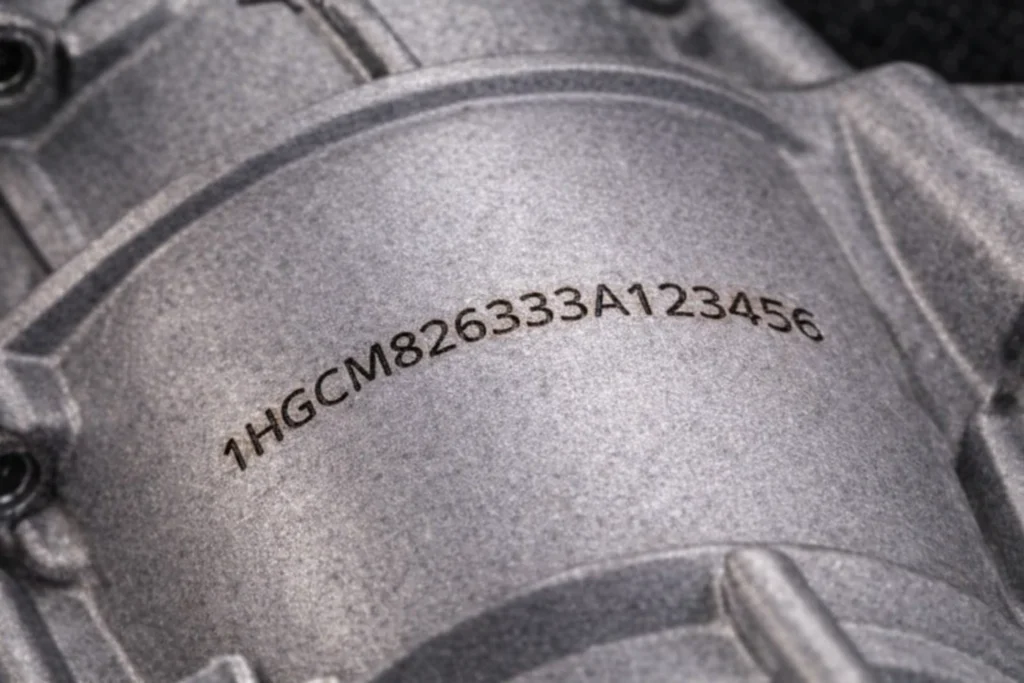
Automotive manufacturing requires permanent, reliable traceability to meet regulatory
compliance, quality control, recalls and anti-counterfeiting needs. Markings must remain
legible through coating, heat, abrasion and the full service life of the vehicle. All critical
components including – seat rails, gears, bearings, motor housing, inverter case, transmission
case, engine blocks, rear view mirrors, tyres, wipers etc require mandatory laser marking for
traceability.
What Laser Enables
Laser marking creates permanent, high-contrast identification directly on the material without
consumables or contact. It enables fast, inline marking of VINs and part codes, ensuring end-to-end traceability from production to field use.
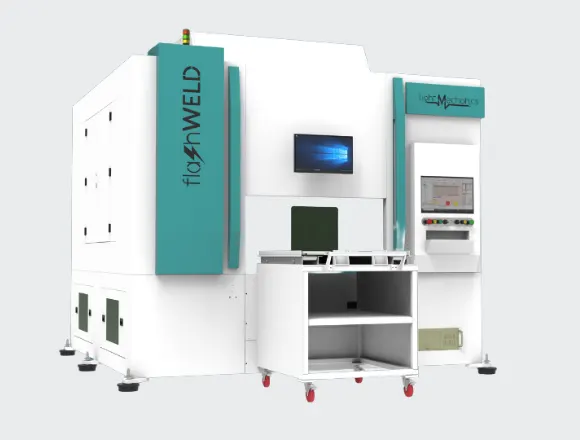
FlashWeld-CR for Prismatic Battery Laser Welding
Application Demand
Automotive manufacturing requires permanent, reliable traceability to meet regulatory
compliance, quality control, recalls and anti-counterfeiting needs. Markings must remain
legible through coating, heat, abrasion and the full service life of the vehicle. All critical
components including – seat rails, gears, bearings, motor housing, inverter case, transmission
case, engine blocks, rear view mirrors, tyres, wipers etc require mandatory laser marking for
traceability.
What Laser Enables
Laser marking creates permanent, high-contrast identification directly on the material without
consumables or contact. It enables fast, inline marking of VINs and part codes, ensuring endto-end traceability from production to field use.
Copper Hairpin Welding for EV & Hybrid Motors
Application Demand
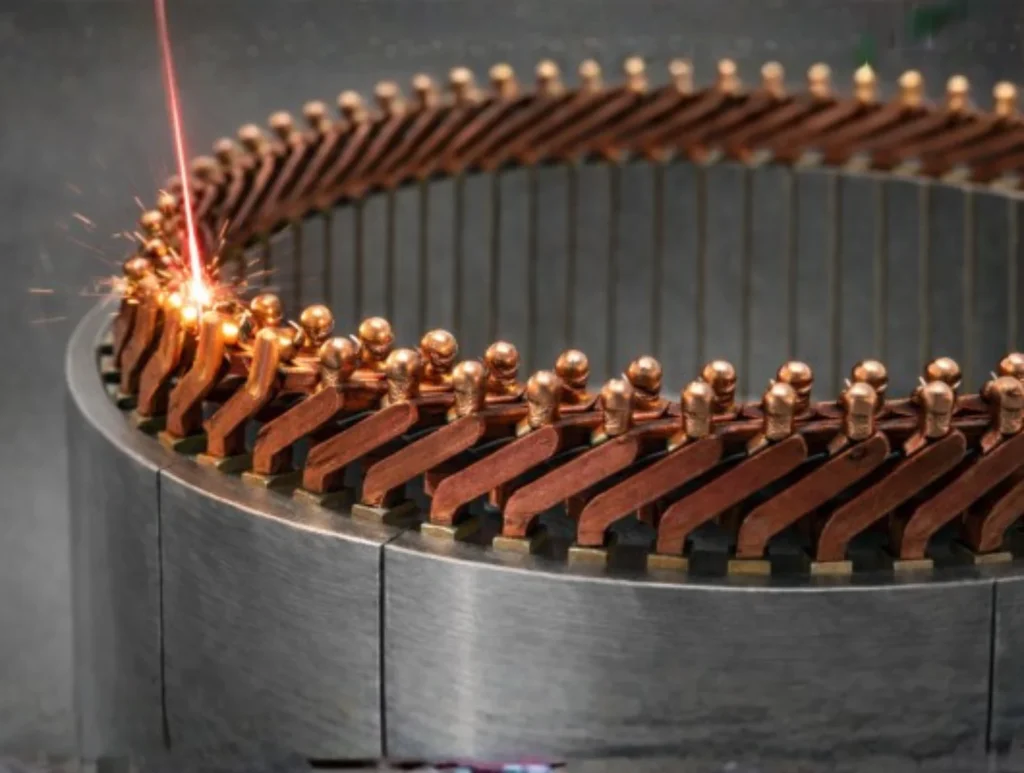
Electric motor performance depends directly on the quality of copper hairpin joints. These
welds must deliver low electrical resistance, high mechanical strength and long-term thermal
stability and minimizing defects.
What Laser Enables
Laser welding provides precise, localized energy delivery that makes it possible to join
copper reliably despite its high reflectivity and thermal conductivity. The process enables
deep, consistent penetration with minimal spatter, supporting high-speed stator production
and repeatable electrical performance in EV and hybrid motors. The insulation coatings are
laser cleaned before welding.
Fuel Tank Laser Welding
Application Demand
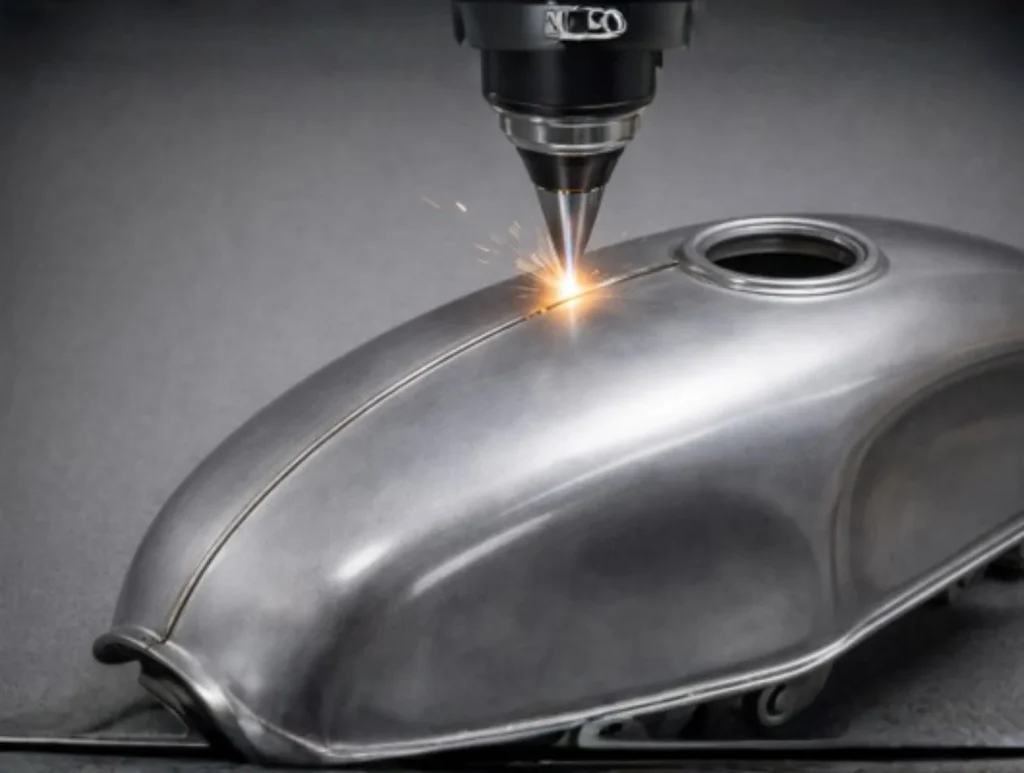
Automotive fuel tanks require continuous, pore-free and leak-proof welds that maintain
integrity under vibration and pressure fluctuations. Any distortion or
inconsistency can result in emissions failures and safety risks. The welded structure must also
withstand harsh operating environments, sustained vibration and external mechanical impacts
throughout the vehicle’s service life.
What Laser Enables
Laser welding allows fuel tank halves to be precisely cut, accurately aligned with proper
fixturing and butt welded with controlled heat input. The process produces uniform, hermetic
seams with minimal distortion, ensuring structural integrity and consistent quality at high
production volumes, making it ideal for automotive fuel tank manufacturing.
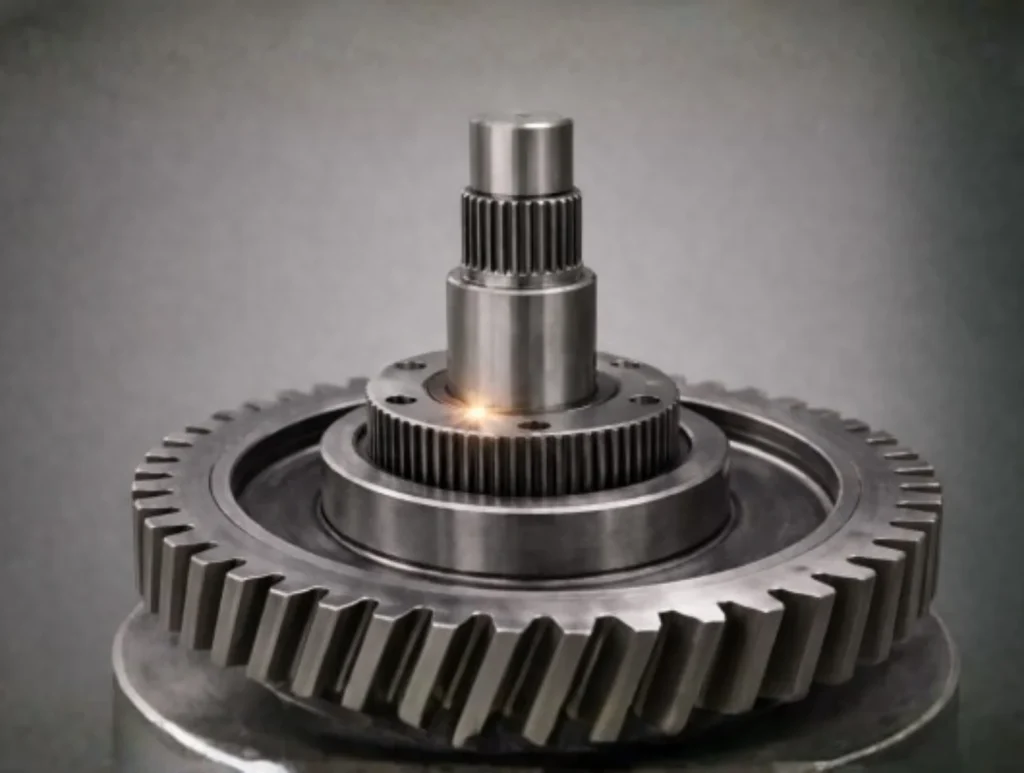
Gear Welding
Application Demand
Gear assemblies require precise joining with minimal distortion to preserve tooth geometry
and ensure quiet, efficient operation. Weld consistency is critical for fatigue strength, tight
tolerances and long-term durability, with a strong emphasis on achieving deep penetration
without thermal distortion.
What Laser Enables
Laser welding delivers deep, consistent penetration with highly localized heat input,
minimizing deformation and preserving gear accuracy. The process produces strong,
repeatable joints without filler material or post-processing, ensuring reliable performance
under cyclic loads.
Body-in-White (BIW) Laser Welding
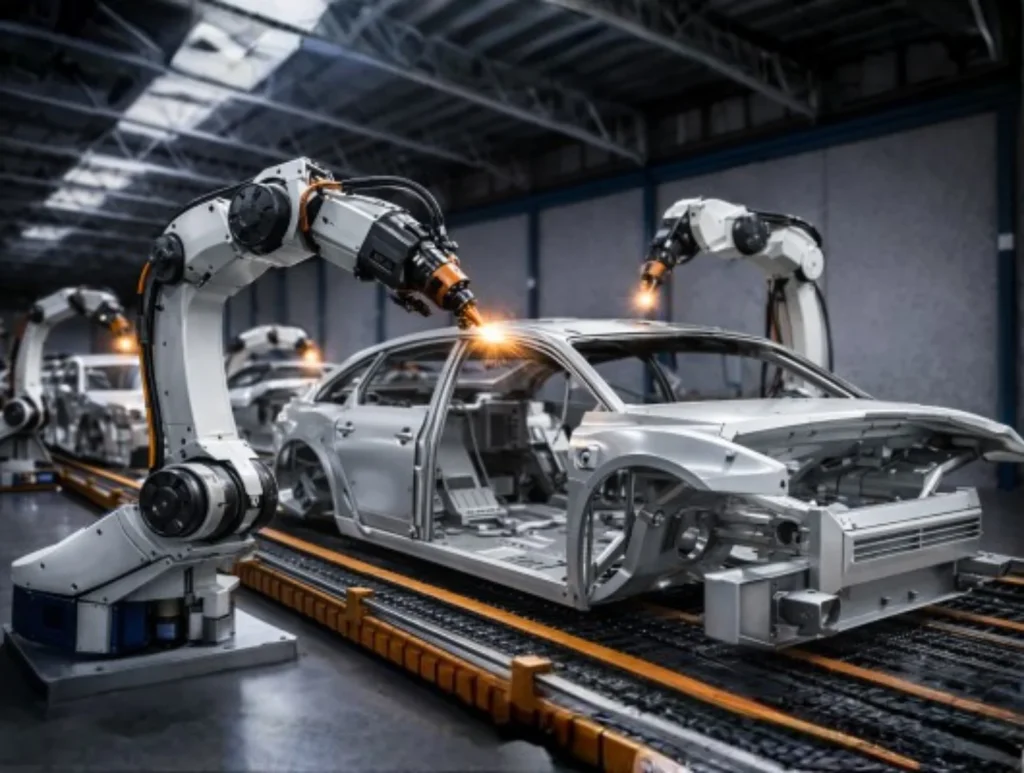
Application Demand
Body structures must combine lightweight design, structural strength, and dimensional
accuracy to meet crash safety and efficiency targets. High production rates and repeatability
are essential in body shops.
What Laser Enables
Laser welding supports high-speed joining of structural and tailored blank components,
enabling thinner materials and optimized joint designs. The result is lighter vehicle bodies,
consistent weld quality and reduced cycle times.
Airbag Inflator Laser Welding
Application Demand
Airbag inflators are safety-critical components that require absolute sealing reliability. Welds
must maintain structural integrity under pressure and vibration, with minimal distortion, to
ensure the airbag deploys correctly in an emergency. Any weld inconsistency can
compromise safety performance.
What Laser Enables
Laser welding produces deep, high-strength and precise joints with minimal heat-affected
zones and deformation. The process is non-contact, filler-free and pollution-free, delivering
consistent, hermetic seals that meet the stringent reliability and safety requirements of
automotive airbag systems.
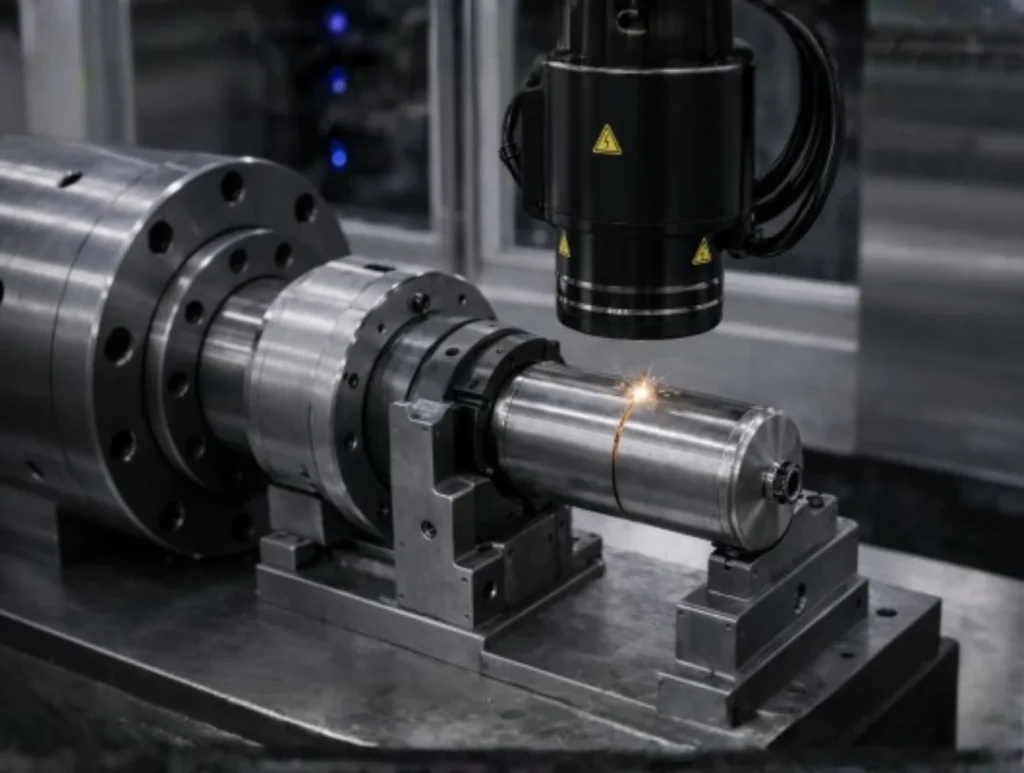
Rotor–Stator Welding for Electric Motors
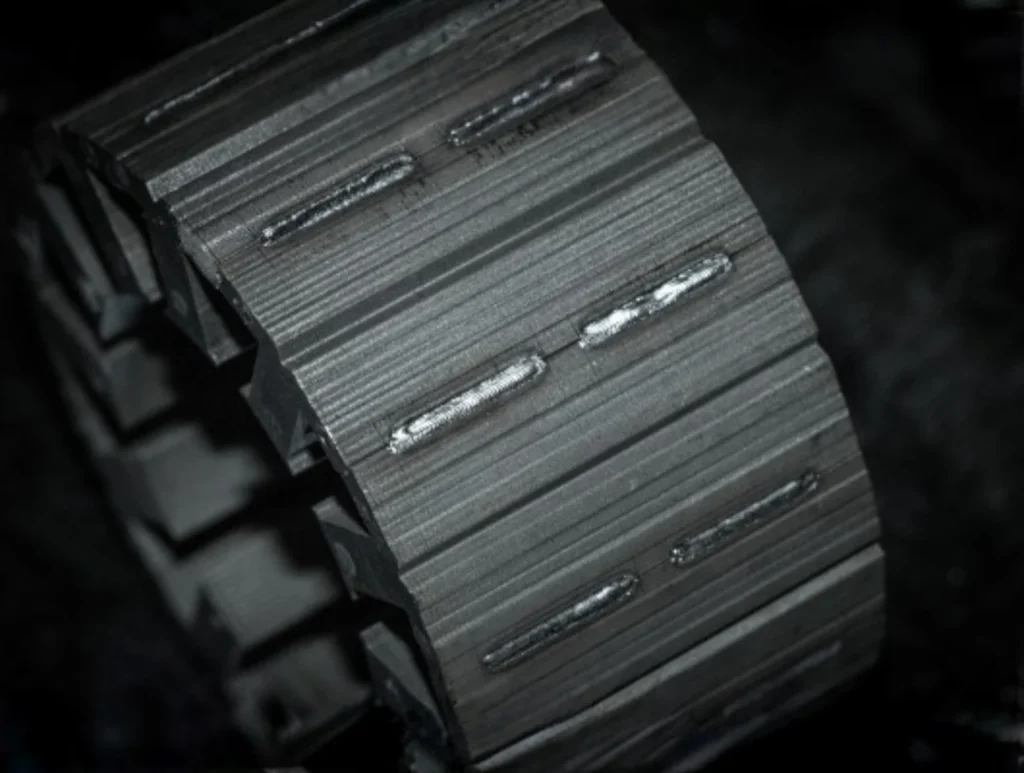
Application Demand
Rotor and stator assemblies are critical to electric motor efficiency, torque output and
durability. Manufacturing requires precise joining of stacked laminations and conductive
components while maintaining electrical insulation, magnetic performance and structural
integrity. Any distortion or inconsistency can impact motor balance, noise, efficiency and
high-speed operation.
What Laser Enables
Laser welding offers high precision, fast processing speeds and distortion-free joints with
minimal heat-affected zones, producing strong, reliable welds in thin laminations. This is
critical for reducing eddy current losses, preserving lamination alignment and insulation
integrity and ensuring rotor stability at high RPMs.
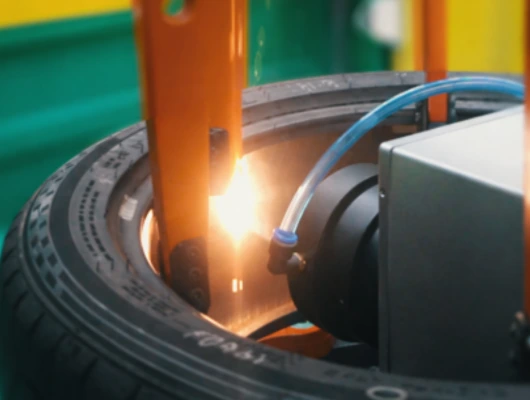
Tyre Inner-Liner Cleaning
Application Demand
Precisely remove release agents, oils and contaminants from a tyre’s interior surface to
prepare it for bonding with sealants or foam without damaging the rubber.
What Laser Enables
Laser cleaning delivers consistent, high-speed and automated tyre cleaning with minimal
heat-affected zone (HAZ) and no burning. The process improves adhesion for self-sealing
and silent tyres while reducing waste and environmental impact compared to traditional
mechanical or chemical methods.
Tyre Mold Cleaning
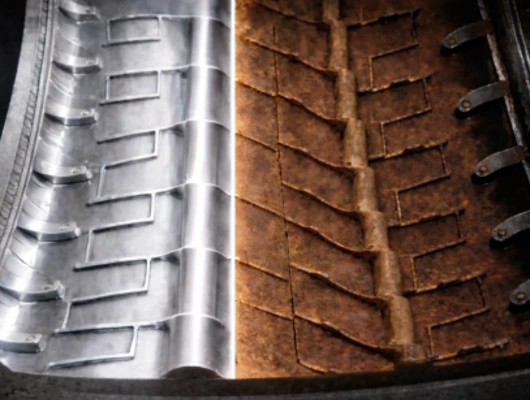
Application Demand
Tyre molds are critical for surface finish quality, bonding consistency, dimensional accuracy
and mold longevity. Residue buildup from rubber compounds and release agents can cause
defects and increased scrap rates, while chemical and abrasive cleaning methods risk damaging
sensitive mold surfaces.
What Laser Enables
Laser cleaning removes rubber residues and contaminants without physical contact,
preserving mold geometry and surface texture. The process eliminates the use of chemicals
and abrasives, enabling repeatable cleaning, improved product quality and extended mold
service life.
Why Choose Light Mechanics
Light Mechanics delivers application-driven laser solutions designed to meet the most
demanding requirements of modern automotive manufacturing. Our systems combine high
precision, automation compatibility and scalability, enabling repeatable, zero-defect
production at high volumes. With deep expertise across automotive and powertrain industry,
Light Mechanics empowers manufacturers to achieve superior quality, consistent traceability
and long-term reliability. Our laser systems support faster cycle times, minimal material
distortion and environmentally friendly processes, helping automotive manufacturers meet
regulatory standards and exceed industry performance expectations.